The Wrap Dress Doctrine: Why the Curve World's Favorite Never Retires
Every curve-styling list features the wrap dress, forever — and the eternity is engineering: the wrap’s tie-adjusted geometry fits what fixed seams can’t, the V-neck and defined waist flatter by architecture, and the fabric does the rest. The doctrine, explained properly.

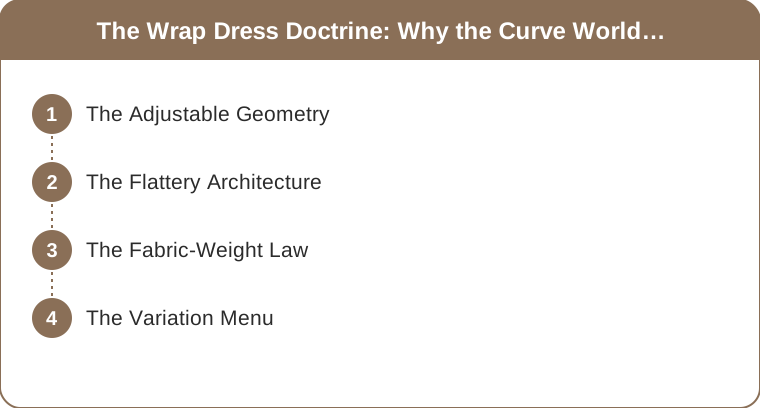
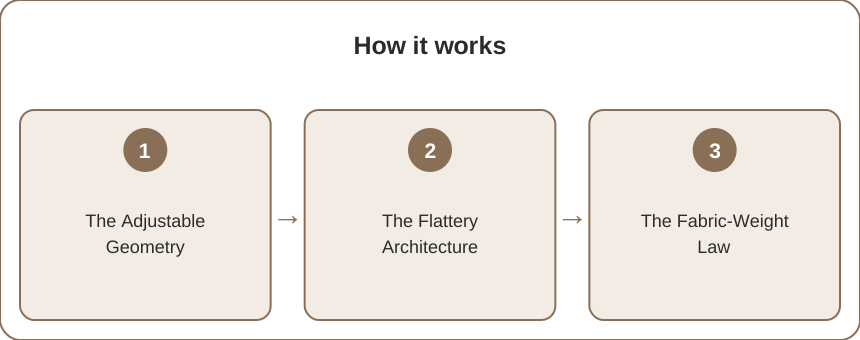
The Adjustable Geometry
The wrap’s genius is the tie: bust and waist fitted independently (the fixed-size dress forces one measurement to compromise; the wrap negotiates both), the wrap depth self-adjusted, and the silhouette customized per body per day. It is the rare garment that fits a range instead of a size.
The Flattery Architecture
The wrap’s lines do classical work: the V-neckline elongates, the wrap waist defines at the natural narrowest point, and the skirt’s crossover flows over hips without cling. The architecture flatters across the size spectrum — the reason the doctrine survives every trend cycle.

The Fabric-Weight Law
The wrap’s success clause: fabric with DRAPE and weight (the jersey with substance, the crepe, the structured knits) — flimsy fabrics turn the wrap’s flow into cling-and-flutter, and the gape risk rises as the weight drops. The fabric IS the fit’s other half; buy the weight.
The Variation Menu
The doctrine’s modern editions: the faux-wrap (fixed crossover, zero gape anxiety — the security-first version), the wrap top and wrap skirt as separates, the shirt-dress-wrap hybrids, and the ballet-wrap knits for the casual lane. Plus the styling kit: the cami insurance for deep-V days and the belt-upgrade for soft ties. One geometry, a whole wardrobe of applications.
Tie-adjusted fit, V-and-waist architecture, fabric with weight, faux-wrap for security. The wrap dress never retires because it was never a trend — it was adjustable engineering in a dress’s clothing.
Keep Reading
This article is for general styling and informational purposes only. Trends, sizing, availability and pricing may vary by brand and season.